


- Best Seller
- Best Seller
- Bestseller
- Best Seller
- Best Seller
- Best Seller
- Best Seller
- Best Seller
- Best Seller
- Best Seller
-

 Sold outSold out


































When do you need a wrist support?
Pain in the hand and wrist is common and can be caused by both sudden injuries and prolonged strain.
Common causes include:
- Overuse at work or during exercise
- Sprain or strain
- Carpal tunnel syndrome
- Inflammation in the tendons or joints
- Osteoarthritis or rheumatic conditions
- Weakness or instability in the wrist
Because the hand is used constantly in everyday life, even minor problems can quickly affect grip strength and mobility.
How a wrist support works
A wrist support works by stabilizing the wrist and reducing strain on the joints, muscles, and tendons.
It can help to:
- Provides compression that reduces swelling
- Stabilizes the wrist in a neutral position
- Limits painful movements
- Improves blood circulation
- Facilitates healing and recovery
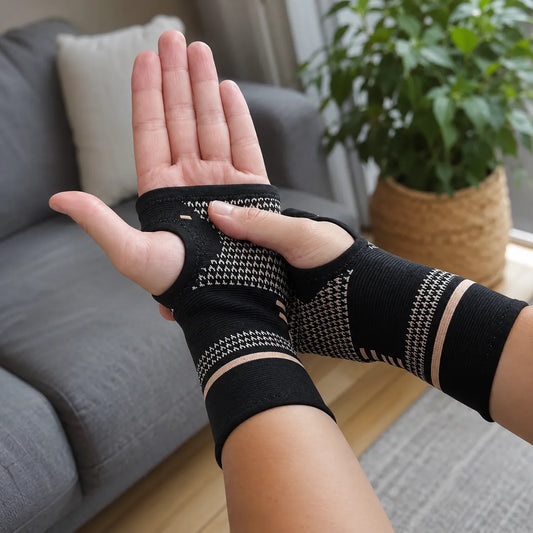
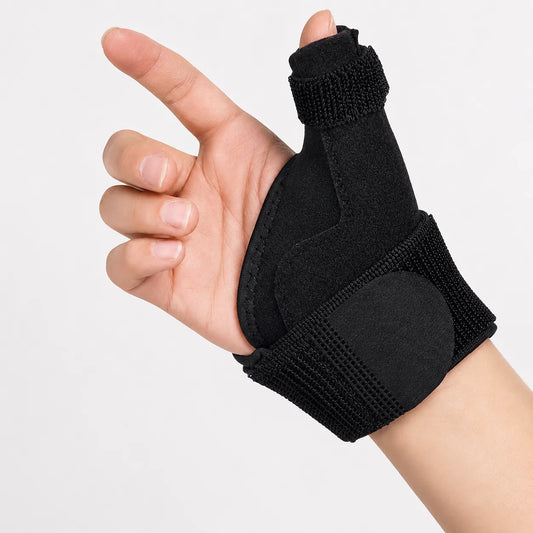
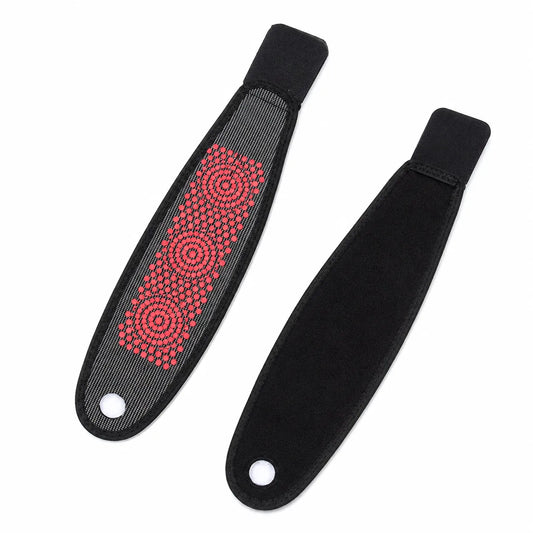
For more severe symptoms, wrist supports with a splint are often used to provide extra stability and relief. One example of such a product is wrist support with compression , which provides the right support for both pain relief and recovery.
Benefits of wrist braces in everyday life
A good wrist brace makes a big difference - both for injuries and prevention.
You may experience:
- Reduced pain during movement
- Increased wrist stability
- Improved grip strength
- A greater sense of security during exertion
- The ability to continue working or exercising
Wrist braces are often used both during rehabilitation and to reduce the risk of new injuries.
Which wrist brace should you choose?
There are several types of wrist braces depending on your needs:
- Elastic supports for milder symptoms
- Compression support for everyday use and exercise
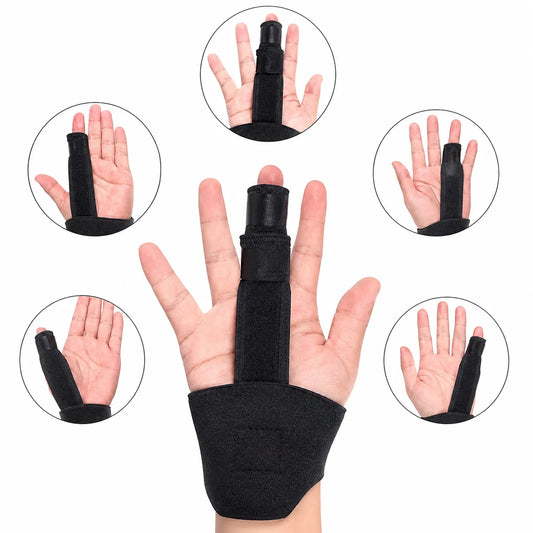
- Wrist brace with a splint for stabilization
- Stronger orthoses for more serious injuries
The choice depends on how much support you need and how the symptoms affect your daily life.
When should you use a wrist brace?
A wrist brace can be used both for acute problems and as a preventive measure.
It is particularly useful:
- When performing work involving repetitive movements
- During exercise or exertion
- During rehabilitation after an injury
- For long-term pain or weakness
Using support at the right time can reduce the risk of symptoms becoming long-lasting.
Frequently asked questions about wrist braces
What does a wrist brace help with?
It is used for overuse, sprains, inflammation, and instability in the wrist.
Can you exercise with a wrist brace?
Yes, many people use it to stabilize the wrist and reduce strain during activity.
How long should you use a wrist brace?
It depends on the symptoms, but often during exertion or until the pain subsides.
Does a wrist brace help immediately?
Many people experience quick relief, especially during movement and exertion.
When do you need a wrist support?
Pain in the hand and wrist is common and can be caused by both sudden injuries and prolonged strain.
Common causes include:
- Overuse at work or during exercise
- Sprain or strain
- Carpal tunnel syndrome
- Inflammation in the tendons or joints
- Osteoarthritis or rheumatic conditions
- Weakness or instability in the wrist
Because the hand is used constantly in everyday life, even minor problems can quickly affect grip strength and mobility.
How a wrist support works
A wrist support works by stabilizing the wrist and reducing strain on the joints, muscles, and tendons.
It can help to:
- Provides compression that reduces swelling
- Stabilizes the wrist in a neutral position
- Limits painful movements
- Improves blood circulation
- Facilitates healing and recovery
For more severe symptoms, wrist supports with a splint are often used to provide extra stability and relief. One example of such a product is wrist support with compression , which provides the right support for both pain relief and recovery.
Benefits of wrist braces in everyday life
A good wrist brace makes a big difference - both for injuries and prevention.
You may experience:
- Reduced pain during movement
- Increased wrist stability
- Improved grip strength
- A greater sense of security during exertion
- The ability to continue working or exercising
Wrist braces are often used both during rehabilitation and to reduce the risk of new injuries.
Which wrist brace should you choose?
There are several types of wrist braces depending on your needs:
- Elastic supports for milder symptoms
- Compression support for everyday use and exercise
- Wrist brace with a splint for stabilization
- Stronger orthoses for more serious injuries
The choice depends on how much support you need and how the symptoms affect your daily life.
When should you use a wrist brace?
A wrist brace can be used both for acute problems and as a preventive measure.
It is particularly useful:
- When performing work involving repetitive movements
- During exercise or exertion
- During rehabilitation after an injury
- For long-term pain or weakness
Using support at the right time can reduce the risk of symptoms becoming long-lasting.
Frequently asked questions about wrist braces
What does a wrist brace help with?
It is used for overuse, sprains, inflammation, and instability in the wrist.
Can you exercise with a wrist brace?
Yes, many people use it to stabilize the wrist and reduce strain during activity.
How long should you use a wrist brace?
It depends on the symptoms, but often during exertion or until the pain subsides.
Does a wrist brace help immediately?
Many people experience quick relief, especially during movement and exertion.